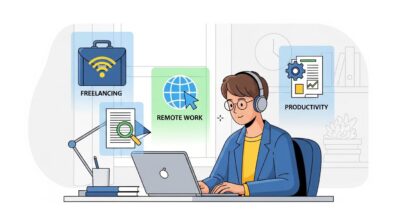
Remote jobs in 2026 demand far more than flexibility. Employers now look for professionals who are digitally fluent, self-driven, and capable of delivering consistent results without supervision. Preparing for remote work today requires intentional skill-building, a strong online presence, and following a comprehensive Remote Job Readiness Checklist 2026 to ensure future-ready habits.
Why Remote Job Readiness Looks Different in 2026
The remote job market has matured. Companies are no longer experimenting with distributed teams—they are building entire business models around them. This shift has raised expectations for accountability, communication, and performance.
According to research published by
McKinsey & Company, organizations that invest in remote-first systems outperform those relying on traditional office structures.
What Remote Job Readiness Really Means
Remote job readiness is the ability to contribute effectively in a digital-first workplace. It combines technical competence, professional discipline, and the ability to collaborate asynchronously across global teams.
Professionals who are remote-ready do not wait for instructions—they anticipate needs, communicate clearly, and manage their workload independently.
The New Remote Job Readiness Checklist for 2026
1. Strong Digital Work Fundamentals
Remote professionals must be comfortable operating entirely in online environments. Employers expect candidates to adapt quickly to digital workflows.
- Project and task management tools
- Cloud-based collaboration platforms
- Role-specific digital tools
Being digitally fluent reduces onboarding time and builds trust with remote employers.
2. Clear Communication and Async Collaboration
Remote teams rely heavily on written communication. Clear updates, structured documentation, and thoughtful responses are essential.
- Ability to explain progress without meetings
- Comfort working across time zones
- Respect for asynchronous workflows
Guides from
Slack emphasize that async communication improves focus and reduces burnout in remote teams.
3. Self-Management and Professional Discipline
Remote jobs require personal accountability. Employers value professionals who manage time effectively without constant oversight.
- Consistent work routines
- Deadline ownership
- Focus without external supervision
In 2026, reliability will be one of the most valuable remote career traits.
4. Proof of Work and Online Visibility
Remote employers prefer evidence over promises. A strong digital presence helps hiring managers assess real-world capability.
- Live portfolio or personal website
- Case studies with outcomes
- Updated professional profiles
A visible work history builds credibility before the first interview.
5. AI Awareness and Workflow Adaptability
AI tools are becoming standard in remote workplaces. Professionals must understand how to integrate them responsibly.
- Using AI for productivity support
- Understanding ethical AI use
- Adapting workflows as tools evolve
The
World Economic Forum highlights AI literacy as a critical future workforce skill.
What Remote Employers Will Expect in 2026
Remote employers focus on outcomes rather than activity. Professionals who show initiative and clarity stand out quickly.
- Results-driven mindset
- Transparent communication
- Continuous skill development
Remote-ready candidates are those who treat remote work as a serious, long-term career path.
Common Gaps That Limit Remote Job Readiness
Many professionals struggle with remote roles not because of lack of talent, but due to poor preparation.
- Over-reliance on resumes
- Weak communication habits
- Resistance to new tools
Addressing these gaps early significantly improves remote career outcomes.
How to Stay Remote-Ready Long Term
Remote readiness is an ongoing process. Professionals must consistently upgrade skills and systems.
Learning platforms such as
LinkedIn Learning help professionals stay aligned with evolving remote job requirements.
Conclusion
The remote job market in 2026 will reward professionals who are disciplined, adaptable, and digitally confident. Following this new remote job readiness checklist will help you build a sustainable, future-proof career—no matter where you work from.