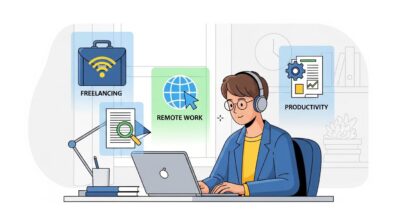
Remote work in 2026 is no longer about flexibility alone. Employers are now prioritizing professionals who can work independently, communicate clearly, and deliver consistent results across distributed teams. Becoming a remote-ready professional means building future-proof skills, adopting performance-driven habits, and mastering modern digital tools.
Why Remote Readiness Matters More Than Ever
Global hiring is accelerating. Organizations are expanding beyond geographic boundaries to access diverse talent pools. This shift increases competition and raises employer expectations for productivity, reliability, and digital fluency.
Remote professionals must now demonstrate self-management, accountability, and cross-cultural collaboration. These qualities are fast becoming core hiring criteria.
According to research from McKinsey & Company, remote and hybrid work models will remain dominant across industries. Future of Remote Work – McKinsey
Essential Skills for the 2026 Remote Job Market
Technical ability alone will no longer be enough. Employers are increasingly evaluating soft skills and digital adaptability.
1. Advanced Digital Communication
Remote professionals must master written clarity, virtual meeting etiquette, and asynchronous collaboration. Miscommunication in remote environments leads to delays and project breakdowns.
Tools such as Slack and Microsoft Teams support structured communication workflows. Slack | Microsoft Teams
2. Time Ownership and Workflow Design
Remote workers must design daily schedules that balance productivity, rest, and focus. This requires discipline and consistency.
Time-tracking platforms like Toggl help professionals build performance awareness. Toggl
3. Independent Problem-Solving
Employers value professionals who resolve challenges without constant supervision. This increases operational efficiency and builds leadership potential.
Developing analytical thinking and research skills is essential for remote autonomy.
High-Performance Habits of Remote Professionals
Remote success depends more on habits than talent. The most effective professionals follow structured daily systems.
Structured Work Routines
Top performers maintain consistent working hours, dedicated workspaces, and daily planning rituals.
This discipline creates momentum and reduces burnout.
Proactive Communication
High performers share regular updates, clarify expectations, and surface issues early.
This habit strengthens trust and visibility within distributed teams.
Continuous Learning
Remote professionals must regularly update their digital skills and workflow methods.
Platforms like Coursera support lifelong learning. Coursera
Essential Tools for Remote Professionals
Modern remote workflows rely on integrated digital ecosystems.
Task and Project Management
Platforms such as Trello and Asana help organize deliverables and deadlines.
Cloud Collaboration
Google Workspace enables real-time document collaboration and version control.
Virtual Meetings
Zoom remains central to interviews and distributed team meetings.
How to Build Your Remote-Ready Profile
Your online presence is now your professional reputation.
Optimize Your Digital Identity
LinkedIn profiles, personal websites, and digital portfolios influence hiring decisions.
Showcase measurable results and remote collaboration experience.
Develop Transferable Skills
Skills such as adaptability, leadership, and cross-cultural communication are highly valued.
These traits future-proof your career.
Why Employers Prefer Remote-Ready Professionals
Remote-ready professionals reduce onboarding costs, adapt faster, and require less supervision.
They improve team performance and operational stability.
This is why modern hiring platforms such as Employ Digital focus on future-ready talent. Employ Digital
Preparing Today for the 2026 Job Market
The future belongs to professionals who take ownership of their growth.
Remote readiness is no longer optional. It is a career requirement.
By developing the right skills, habits, and tools today, you position yourself for long-term success in the global digital workforce.