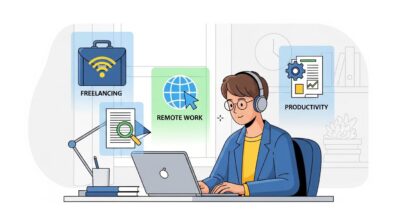
Remote jobs have moved far beyond simple work-from-home setups. Today, companies hiring globally expect professionals who can operate independently, collaborate digitally, and deliver measurable outcomes. To stay competitive, remote professionals must focus on building a strong and adaptable skill stack rather than relying on a single job title.
Why Remote Jobs Are Changing the Way Careers Are Built
Remote work has reshaped traditional employment structures. Teams are leaner, communication is asynchronous, and results matter more than hours spent online. Because of this shift, employers look for professionals who can handle multiple responsibilities without constant supervision.
According to global workforce studies published by
The World Economic Forum, adaptable and cross-functional skills are becoming essential for long-term career growth, especially in remote-first environments.
What Is a Skill Stack?
A skill stack is a curated combination of technical, creative, and soft skills that work together to solve real business problems. Instead of focusing on one narrow expertise, professionals develop complementary abilities that increase their overall value.
In remote jobs, a strong skill stack allows individuals to communicate clearly, execute tasks efficiently, and collaborate across departments—making them more reliable and employable in distributed teams.
Essential Skills Every Remote Professional Needs
Regardless of industry or role, certain skills are critical for anyone pursuing remote jobs.
- Written Communication: Clear documentation and structured updates reduce misunderstandings.
- Self-Management: The ability to plan work, meet deadlines, and stay accountable.
- Digital Collaboration: Comfort with project management and communication tools.
Remote professionals who master these fundamentals are better equipped to work across time zones and cultural boundaries.
Role-Based Skill Stacks for Remote Jobs
Skill Stack for Designers
Designers working remotely are expected to contribute beyond visuals. Employers prefer creatives who understand how design supports business goals.
- Visual and brand design fundamentals
- Basic UX and user behavior understanding
- Content-aware design for digital platforms
Designers who pair creativity with strategic thinking are more likely to secure long-term remote opportunities.
Skill Stack for SEO and Content Professionals
Remote SEO roles demand a balance between analytical insight and creative execution. Professionals must understand how content performs across multiple digital channels.
- Search intent analysis and keyword planning
- Content optimization and structure
- Performance tracking using analytics tools
Trusted platforms like
Moz highlight that SEO professionals who understand content quality and user experience perform better in remote roles.
Skill Stack for Digital Marketers
Remote digital marketing roles require professionals who can manage campaigns, analyze data, and adapt quickly to performance insights.
- Campaign planning and execution
- Conversion-focused content strategy
- Basic automation and reporting skills
Marketers who connect creative ideas with measurable outcomes gain a competitive edge in remote hiring.
How Employers Assess Remote-Ready Candidates
Hiring managers evaluate remote candidates differently than office-based roles. Demonstrated ability matters more than formal qualifications.
- Clear and structured portfolios
- Evidence of independent problem-solving
- Strong communication during async interviews
Many companies now use skill-based tasks instead of traditional interviews to assess real-world readiness.
How to Build and Present Your Skill Stack
Developing a skill stack is an ongoing process that combines learning, practice, and presentation.
- Work on real projects, not just certifications
- Create case studies that show results
- Maintain a professional digital presence
Platforms like
LinkedIn Learning can help professionals continuously upgrade their remote-ready skills.
Preparing for the Future of Remote Jobs
Remote work will continue to evolve as technology advances and global hiring expands. Professionals who stay flexible and committed to learning will thrive.
By focusing on skill development instead of job titles, remote professionals can build resilient careers that adapt to market changes.
Conclusion
Remote jobs reward professionals who combine adaptability, discipline, and diverse skills. Building a career-ready skill stack is no longer optional—it is the foundation for long-term success in the global remote workforce.